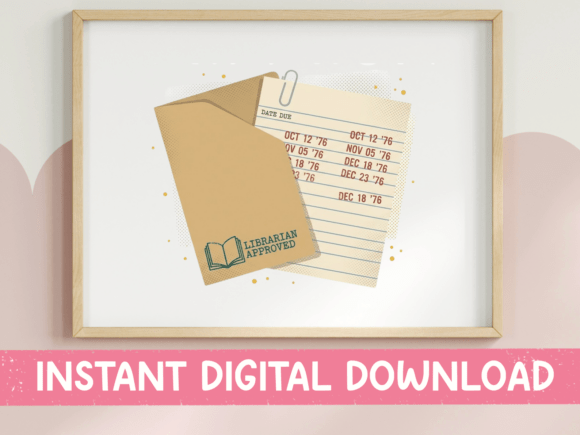
Library Date Due Card Librarian Design: A Vintage Charm for Modern Projects
That instant sense of recognition, the crisp lines of a date stamp, the handwritten scrawl in red ink—this is the powerful nostalgia evoked by the Library Date Due Card Librarian Design. For graphic designers and creators, it's more than just a charming throwback; it's a versatile visual asset that taps into deep-seated cultural memories, offering a unique way to communicate themes of knowledge, tradition, and organization.
Why This Aesthetic Resonates in Modern Design
In a digital landscape saturated with sleek, minimalist interfaces, vintage designs like the library date due card provide a tactile, human touch. This design style functions as a powerful visual shorthand. It instantly conveys a sense of history, reliability, and intellectual pursuit without a single word. For brand identity work, incorporating such elements can add layers of meaning and emotional resonance, setting a brand apart with a distinct, story-driven personality.
Practical Applications for Designers and Creators
The utility of this design extends far beyond mere decoration. It's a functional piece of creative asset toolkit that can elevate numerous projects:
- Branding & Logo Design: Use the iconography as a secondary brand mark or incorporate the typography style into brand guidelines for a cohesive, intellectual feel.
- Marketing & Social Media: Create engaging graphics for bookstores, libraries, educational platforms, or literary podcasts. The design is inherently shareable and perfect for social media graphics that need to stop the scroll.
- Packaging & Merchandise: Apply the design to tote bags, mugs, bookmarks, and notebook covers. It transforms everyday items into curated pieces for packaging design or merchandise lines targeting book lovers.
- Editorial & Web Design: Use as decorative elements in magazine layouts, blog headers, or as part of a UI design for a reading app to add warmth and context.
Integrating Vintage Elements with Professional Finesse
Successfully incorporating a strong stylistic element like the Library Date Due Card Librarian Design requires thoughtful execution. The key is visual hierarchy and balance. Pair it with clean, modern sans-serif fonts to prevent the design from feeling dated. Use its color palette—kraft paper browns, cream whites, and signature red—as an accent against a neutral background to maintain readability and focus.
Consider the scalability of your assets. A high-quality SVG file ensures the intricate details of the stamp and slip remain crisp whether used as a tiny favicon or blown up for a poster. This attention to technical detail is what separates professional print design from amateur attempts.
Choosing and Using Design Assets Effectively
When selecting any creative resource, evaluate its compatibility with your project's goals and existing brand systems. Does the color palette align? Can the typography be adapted? The true value of an asset like this lies in its adaptability. Use the "Librarian Approved" icon as a standalone stamp of quality, or deconstruct the slip's grid layout for inspiration in data visualization or editorial design.
Ultimately, thoughtful design choices are about communication. Leveraging a well-crafted, nostalgic asset like the library date due card design does more than beautify; it creates an immediate, emotional connection with your audience. It demonstrates a considered approach to visual communication, where every element works to tell a cohesive and compelling story, enhancing both the aesthetic appeal and the functional clarity of your creative projects.