Urban Edge: Mastering Skateboard Street T-Shirt Design
The raw, dynamic energy of skate culture has long been a powerful wellspring for graphic design, offering a visual language that is both authentic and instantly recognizable. A well-executed Skateboard Urban Street T-Shirt Design captures this essence, translating the grit, motion, and attitude of the streets into compelling wearable art. This style isn't just about slapping a graphic on fabric; it's a sophisticated blend of typography, illustration, and composition that communicates a specific subculture and mindset. For designers and brands, mastering this aesthetic means tapping into a vibrant visual vocabulary that resonates deeply with audiences seeking authenticity and edge.
The Anatomy of an Effective Urban Street Design
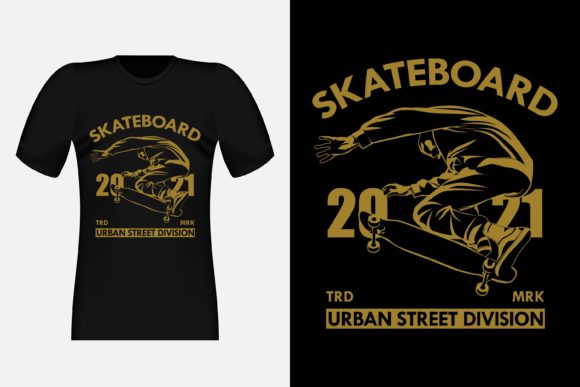
At its core, this design philosophy thrives on contrast and texture. Think bold, often distressed or hand-drawn typography layered over intricate silhouettes of skaters, cityscapes, or abstract patterns. The color palette is typically high-contrast, utilizing stark blacks, whites, and occasional vibrant accent colors to make the design pop. A vector-based approach, like that found in a Skateboard Urban Street Division Silhouette Vintage T-Shirt Design, is crucial. Vector graphics ensure every element—from a gritty texture to a clean silhouette line—remains crisp and scalable, whether it's printed on a small tag or a large back panel.
The true power of this style lies in its ability to build immediate brand identity. It signals a connection to urban culture, creativity, and a non-conformist spirit. This makes it an invaluable asset far beyond just apparel.
Practical Applications Across Creative Projects
The versatility of a strong skateboard-inspired graphic system allows it to enhance a wide array of projects, ensuring visual consistency and impact.
- Branding and Logo Design: Use the bold silhouettes and dynamic lines to craft logos for skate brands, streetwear labels, urban music festivals, or extreme sports events. The style communicates energy and youthfulness.
- Marketing & Social Media Graphics: The high-contrast visuals are perfect for grabbing attention in a crowded digital feed. Apply them to Instagram posts, story templates, and promotional banners to create a cohesive and edgy brand presence.
- Website and UI Design: Incorporate these graphic elements as hero images, background textures, or icon sets to give a website or app a distinct urban flair, improving user engagement through strong visual storytelling.
- Packaging & Merchandise: From sticker packs to notebook covers, applying these designs to physical products extends the brand experience. The vintage aesthetic works particularly well for packaging that aims for a nostalgic yet modern feel.
- Editorial and Presentation Design: Break the monotony of standard layouts. Use a skateboard silhouette as a section divider or a textured graphic as a slide background to add visual interest and thematic depth to publications and pitches.
Tips for Selecting and Implementing Design Elements
When choosing a design asset, evaluate it not just for its immediate appeal but for its utility within your design workflow.
- Prioritize Editability: Ensure the file is well-organized with editable shapes and colors in RGB mode. This allows you to seamlessly integrate the graphics into your existing brand color palette and adjust elements for different applications.
- Consider Visual Hierarchy: A good design asset should have a clear focal point. Whether it's a central silhouette or a standout typographic element, it needs to guide the viewer's eye and communicate the core message quickly.
- Ensure Scalability and Resolution: High-resolution, vector-based files are non-negotiable for professional work. They guarantee your design will look sharp on everything from a business card to a billboard, maintaining quality across all print and digital mediums.
Typography is a key player in this arena. Fonts that mimic hand-lettered styles, blocky sans-serifs, or vintage signage complement the imagery perfectly, adding to the narrative. The interplay between the bold graphics and thoughtful type creates a layered visual story that is both aesthetically striking and rich in meaning.
In the end, the goal of any design is effective communication. By leveraging the authentic visual language of urban skate culture through high-quality, versatile creative assets, you equip yourself to produce work that doesn't just look cool—it connects, engages, and tells a powerful story. Thoughtful selection and application of these elements elevate your projects from simple layouts to memorable brand experiences.